The Science
The evidence behind tallow.
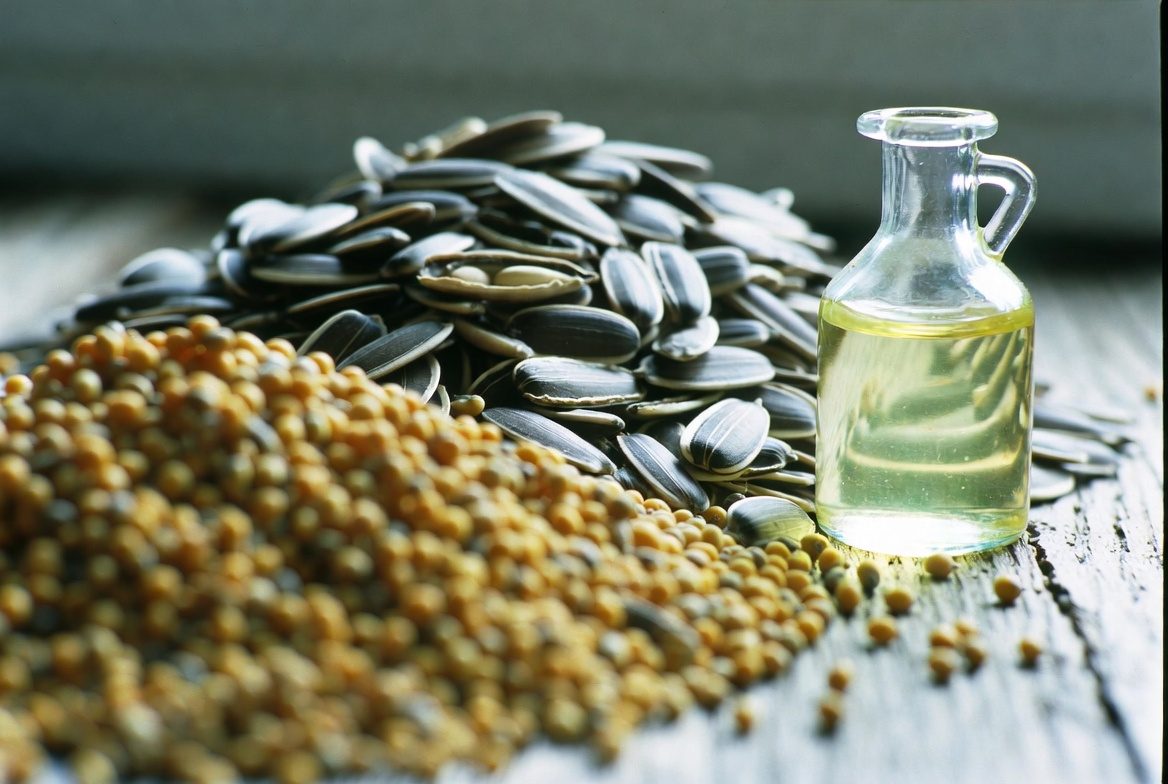
For decades, animal fats were pushed aside in favour of industrially processed seed oils. The science tells a different story. We've gathered the research — peer-reviewed, measured, and plain-spoken — so you can make up your own mind.
70+
Years of research
A, D, E, K
Fat-soluble vitamins
250°C
Smoke point
0
Seed oils, chemicals, additives
Research & Evidence
Read the research.
- Evidence-basedNutrition4 min read
Ancestral diets and metabolic health: what traditional populations tell us
Traditional populations eating high animal-fat diets showed remarkably low rates of metabolic disease. What happened when they switched to modern foods tells us something important.
- Evidence-basedNutrition3 min read
Fat-soluble vitamins: what grass-fed tallow carries that seed oils don't
Vitamins A, D, E, and K2 are present in grass-fed animal fats and largely absent from seed oils. Here's why that matters — and why the fat matrix is part of the story.
- Evidence-basedNutrition4 min read
Fatty acid composition: tallow vs seed oils
The fat you cook with has a measurable chemical profile. Here's how grass-fed tallow compares to common seed oils — and why the numbers matter.
- Evidence-basedProcess4 min read
How seed oils are made: from seed to bottle
Hexane extraction, degumming, bleaching, deodorising. The manufacturing process behind your cooking oil is more industrial than you might expect.
- Evidence-basedNutrition4 min read
The lipid hypothesis re-examined: saturated fat and heart disease
For decades we were told saturated fat causes heart disease. Multiple large-scale meta-analyses now challenge that claim. Here's what the evidence actually shows.
- Evidence-basedNutrition4 min read
Oxidative stability: why your cooking oil matters more than you think
When polyunsaturated seed oils are heated, they break down into harmful compounds. Here's what the research says about oxidation, aldehydes, and why stable fats are safer fats.
- Evidence-basedNutrition4 min read
Seed oils and chronic inflammation: what the research says
The omega-6 to omega-3 ratio in Western diets has shifted dramatically. We look at what that means for inflammation — and where the science is still catching up.
- Evidence-basedNutrition3 min read
Stearic acid: not all saturated fats are the same
Stearic acid — one of the most abundant fats in tallow — doesn't raise cholesterol, supports mitochondrial function, and challenges the idea that all saturated fats behave alike.
- Evidence-basedSkincare3 min read
Tallow for skin: the sebum connection
Tallow's fatty acid profile is more similar to human sebum than any plant oil. Here's the biochemistry behind an ancient skincare ingredient.
- Evidence-basedFrom the farm3 min read
Why grass-fed actually matters
The fatty acid profile of pasture-raised beef is meaningfully different from feedlot beef. We unpack why, in plain language.



Ready to make the switch?
Pure, grass-fed tallow — the fat your body was designed to use.